








Shop by Category

Mastering Trans-seasonal Dressing
Title: The Art of Layering: Navigating the Shift Between Seasons
There is a tricky period twice a year when the weather cannot quite make up its mind. The mornings are crisp, the afternoons are sweltering, and the evenings bring a sudden chill. This is the challenge of trans-seasonal dressing. Mastering this period is not about buying a whole new wardrobe, but about the strategic application of layers.
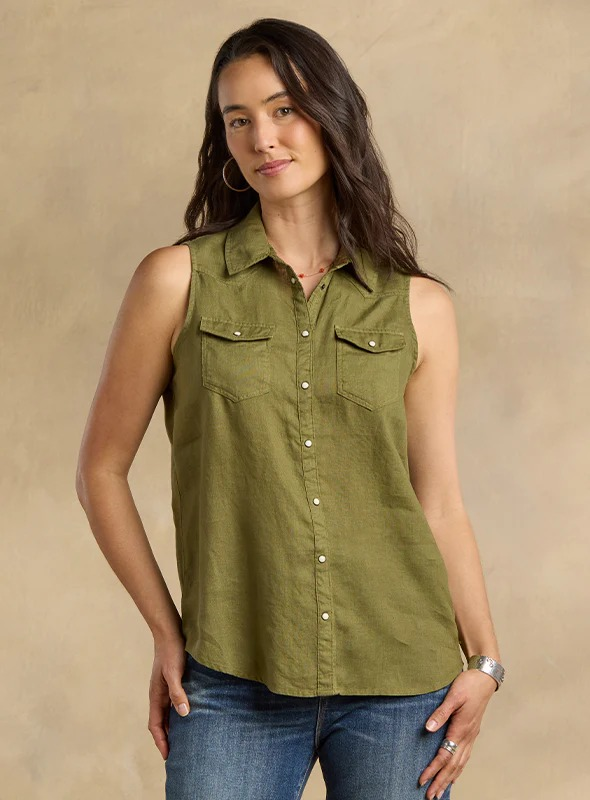
The Base Layer Strategy The key to comfort during fluctuating temperatures is a reliable base layer. This should be a breathable fabric, preferably cotton or a lightweight modal blend, that sits close to the skin. A simple camisole or a fitted tee acts as a moisture-wicking barrier. If the temperature rises, this layer must be presentable enough to be worn on its own.
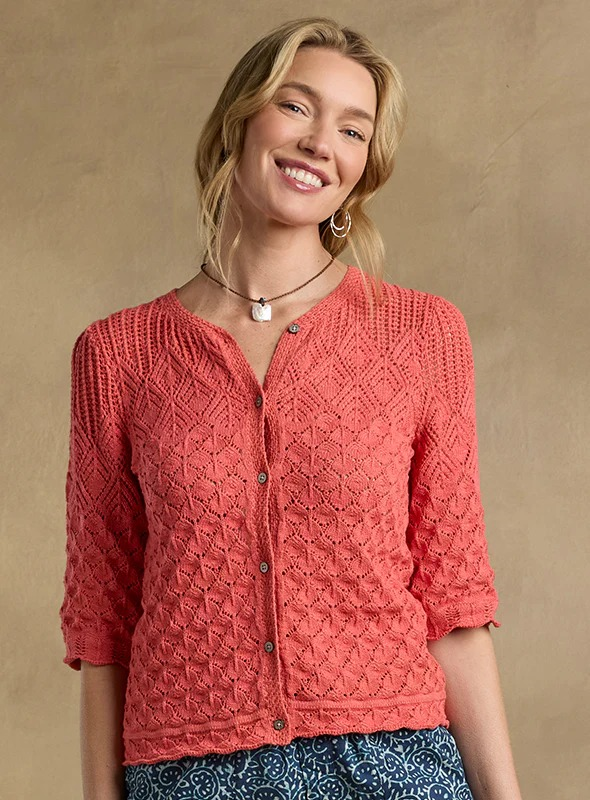
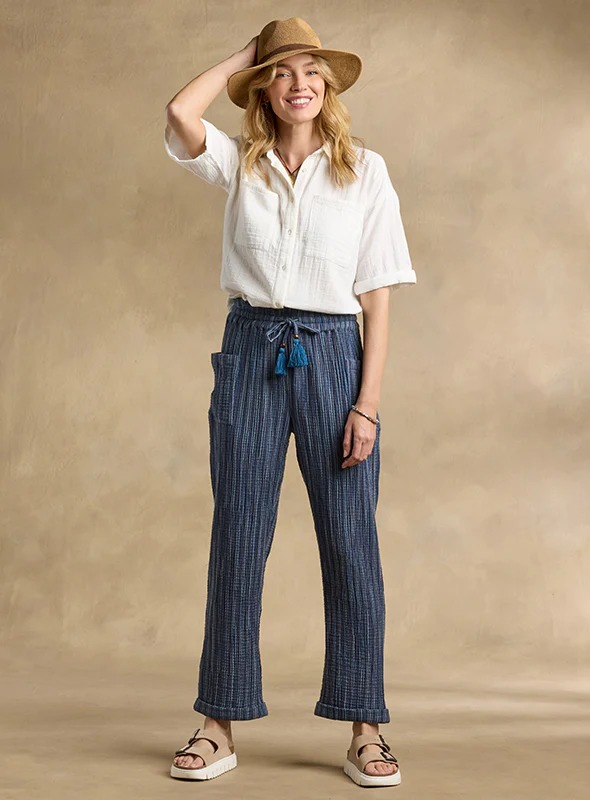
The Middle Layer: Insulation This is where style meets function. The middle layer provides warmth but must be easy to remove. Cardigans are the unsung heroes of this category. Unlike a pullover sweater, a cardigan doesn’t mess up hair or makeup when being removed. Button-down shirts worn open over a tee also serve this function perfectly. They add a pop of pattern or color and can be tied around the waist or shoulders if it gets too warm, adding a “preppy” or casual chic element to the look.
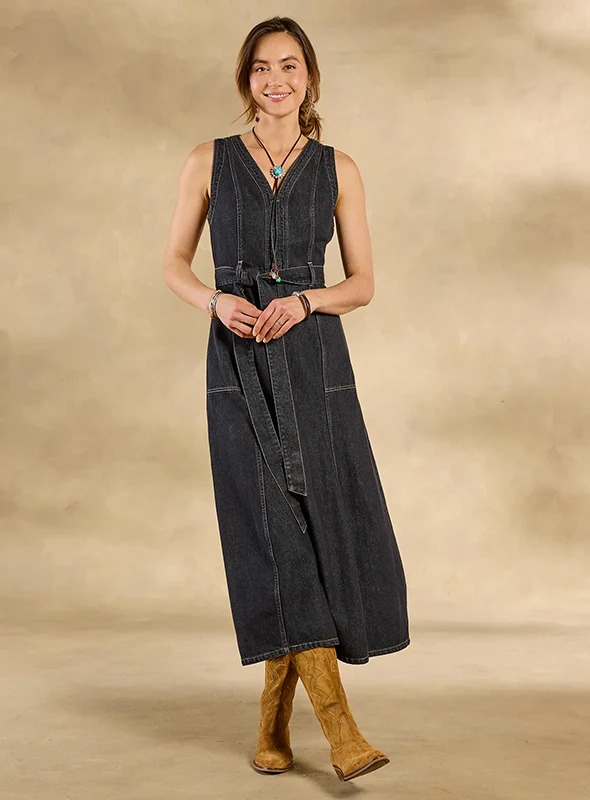
The Outer Layer: Structure The final piece of the puzzle is the outerwear. During trans-seasonal months, heavy wool coats are too much, but going without is risky. The trench coat is the classic solution. It blocks wind and light rain without causing overheating. Alternatively, a leather or denim jacket adds texture and edge. These jackets are generally cropped, which helps maintain the waistline even when wearing multiple layers beneath.
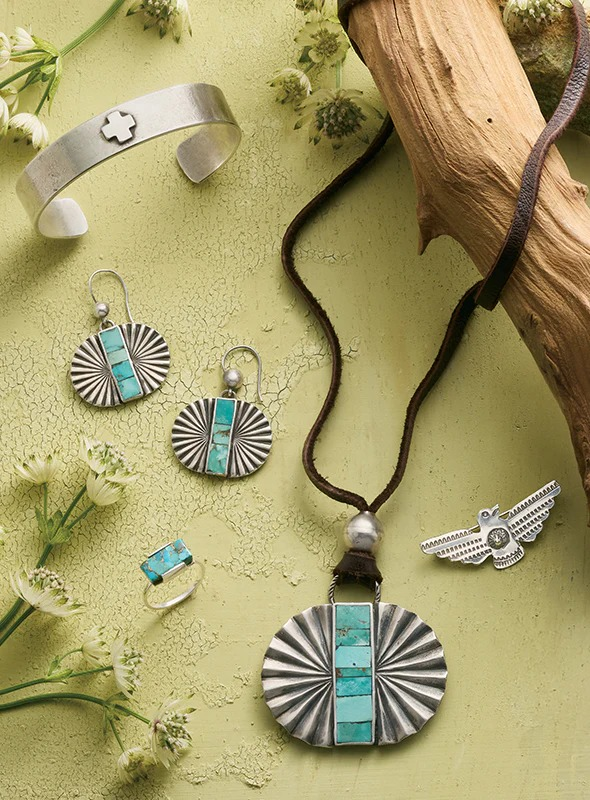
Accessories as Climate Control Accessories play a massive role in transitional weather.
-
Scarves: A large, lightweight scarf is the most versatile tool. It protects the neck from wind but can be draped loosely or stored in a tote bag instantly.
-
Tights: Opaque tights allow you to keep wearing skirts and dresses well into the colder months.
-
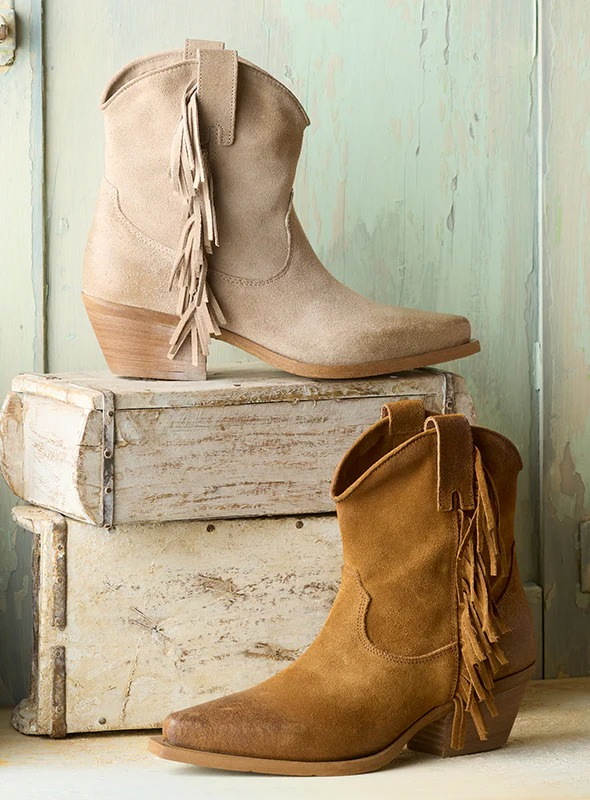
Footwear: Ankle boots bridge the gap perfectly. They offer more coverage than flats or pumps but are not as heavy as knee-high winter boots.
Trans-seasonal dressing is about adaptability. It requires looking at a wardrobe not as a collection of fixed outfits, but as a set of modular components that can be assembled and disassembled throughout the day as the environment changes.